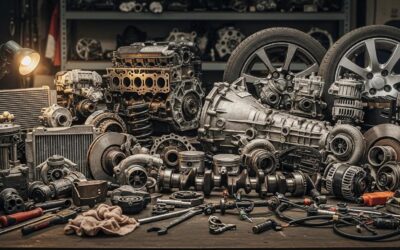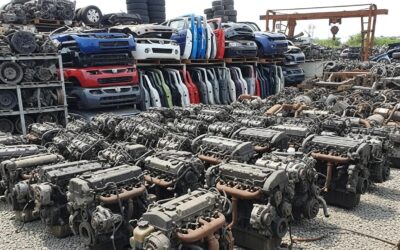
Owners and workshops searching for “Hyundai spare parts Sydney” are usually after two things: which parts fail most often, and where to find reliable recycled replacements. This guide lists the Hyundai components most commonly replaced in Sydney, explains typical failure signs, and shows practical replacement options so you can decide whether to repair, replace, or request a tested recycled unit. If you need parts quickly, this page is also a how-to for finding and requesting quality recycled components and for understanding why New Model Wreckers is a trusted supplier. Below you’ll find high-demand parts, model-specific patterns, our quality checks for recycled items, how to request parts, diagnostic tips, and the electrical and body components that turn up most often in the yard. Read on for symptom-based diagnostics, used-part inspection tips, and step-by-step guidance for ordering the right Hyundai replacement in Sydney.
What Are the Most Frequently Replaced Hyundai Parts in Sydney?
In Sydney, Hyundai repairs tend to fall into familiar groups: engines and transmissions (including sensors), suspension and brake wear items, electrical units like alternators and starters, and exterior panels after collisions. Knowing these high-demand categories helps workshops and DIYers prioritise inspections and order compatible recycled parts that cut cost without sacrificing reliability. Recycled parts are widely available for these systems, but suitability comes down to compatibility, mileage and visible condition — matching the part to the model and year reduces fitment problems and returns.
Below is a short, practical list of the top parts we see replaced, with a one-line note to help you decide fast before diving into the diagnostic detail.
- Complete engines and used engine assemblies: fitted when internal damage, excessive oil use or catastrophic failure makes repairs uneconomical.
- Transmissions and gearboxes (manual and automatic): replaced when slipping, delayed engagement or noise show irreversible wear.
- Alternators and starter motors: common electrical wear items that fail after long service or heat exposure.
- Brake pads, rotors, calipers: consumables replaced frequently on city-driven cars and fleet vehicles.
- Shock absorbers, struts, control arms: suspension parts that fatigue with high mileage and rough roads.
- Sensors (O2, MAF, crank position): small, inexpensive parts that cause drivability issues and trigger warning lights.
- Body panels and headlight assemblies: regularly salvaged and reused after minor collisions or cosmetic repairs.
These categories cover both mechanical failures and collision-driven demand, and they lead directly into the engine and transmission items that need the most careful diagnosis and matching.
Which Engine and Transmission Components Commonly Fail?

Engine and transmission problems range from sensor faults that affect drivability to full mechanical failure. Spotting the symptom pattern helps decide whether a recycled part is suitable. Typical engine symptoms include knocking, high oil consumption, overheating or persistent misfires — which point to pistons, head gaskets, timing gear or sometimes a full engine swap when repair isn’t viable. Transmission symptoms include slipping, delayed engagement, harsh shifts or contaminated fluid, which often mean sourcing a replacement gearbox or a reman unit. When choosing recycled engines or transmissions, matching engine and transmission codes, model year and mileage is essential; ensuring ECU and ancillary component compatibility prevents fitment or electrical issues after installation.
| Part (Component) | Common Symptom / Failure Mode | Recommended Recycled Replacement & Compatibility Notes |
| Complete engine assembly | Knocking, heavy oil consumption, persistent misfire | Fit a tested recycled engine matched to the engine code and compression specs; verify ECU compatibility and ancillaries |
| Cylinder head / head gasket | Overheating, loss of coolant, white exhaust smoke | Use an inspected head assembly or a new gasket kit; confirm pressure tests and valve condition |
| Transmission / gearbox | Slipping gears, delayed engagement, abnormal gear noise | Install a tested gearbox matched to the transmission code; check torque converter and associated electronics |
| Clutch assembly (manual) | Slippage under load, long pedal travel | Replace with a recycled or reman clutch kit matched to flywheel condition and model year |
| Engine sensors (MAF, O2) | Rough idle, poor fuel economy, check-engine light | Swap for a tested sensor that matches the part number and connector; low-risk recycled option |
This table focuses on symptom-led replacement choices and prepares you to spot wear patterns that separate repairable parts from those better replaced with recycled units.
What Suspension and Braking Parts Require Regular Replacement?

Suspension and braking components wear predictably, which gives workshops clear windows to source recycled parts that pass inspection. Common suspension wear items are shock absorbers, struts, control arms, bushings and ball joints — signs include poor ride quality, uneven tyre wear or clunks over bumps indicating damping or joint failure. Braking wear parts include pads, rotors, calipers and wear sensors — squeal, reduced stopping power or pedal pulsation usually point to pads, warped rotors or seized calipers. When choosing recycled suspension or brake parts, check seals, piston movement and rotor thickness; rotors with enough material left and calipers that operate freely can be cost-effective. Refurbished assemblies can cut the risk of repeat labour, while fully tested recycled units offer the best mix of price and reliability.
These inspection rules feed into model-specific demand patterns, where vehicle age and use determine which suspension and brake parts suppliers keep in stock most often.
How Do Common Hyundai Model Issues Influence Spare Parts Demand?
Each Hyundai model shows its own failure patterns, which creates predictable demand for particular spares. Vehicle age, typical mileage, driving conditions and known weak points drive turnover — for example, compact cars used for stop-start urban driving often need suspension and brake wear items sooner, while larger SUVs tend to see higher demand for drivetrain and HVAC sensor parts. Accurate model-year matching and awareness of common problem areas cut ordering errors and speed fulfilment.
The short model-by-model summary below is a quick reference for top failing systems and the parts most often replaced, useful for parts planners and mechanics.
| Model | Top 3 Failing Systems | Most Commonly Replaced Parts |
| Hyundai i30 | Engine sensors, clutch/transmission, suspension | MAF & O2 sensors, clutch kits/gearboxes on some years, shock absorbers |
| Hyundai Accent | Suspension, brakes, electrical | Control arms, brake pads & rotors, alternator/starter units |
| Hyundai Santa Fe | Drivetrain, sensors, HVAC components | Transfer case/axles, various sensors (O2/temperature), blower motors |
This chart clarifies typical part demand by model and leads into more detailed guidance for the Hyundai i30.
What Are the Typical Replacement Parts for Hyundai i30 in Sydney?
The i30 typically needs parts that affect drivability and ride comfort after urban use and moderate mileage. Shops in Sydney commonly request engine sensors, clutch components for certain manual models, and suspension parts for worn struts or arms. Top requests include MAF and O2 sensors that affect fuel trim and emissions, clutch kits or complete gearboxes on worn units, and shock absorbers or strut assemblies to fix ride complaints. When sourcing recycled i30 parts, always confirm the year, engine code and transmission type — sensors and electronic modules must match ECU expectations to avoid error codes. Including the VIN or engine code in your parts request speeds compatibility checks and cuts return rates.
These model-specific tips lead into comparisons for Accent and Santa Fe parts demand.
Which Parts Are Most Replaced for Hyundai Accent and Santa Fe?
The Accent and Santa Fe show distinct demand profiles. The Accent — a city commuter — generates frequent requests for suspension and brake consumables plus occasional alternator or starter swaps. The Santa Fe, used for heavier loads and towing, more often needs drivetrain and sensor parts. Accent priorities are control arms, bushings, pads and rotors, and basic electricals; Santa Fe priorities include transfer-case components, wheel bearings, sensors and HVAC items like blower motors. Workshops stocking for both should keep suspension and brake consumables for Accents and higher-value drivetrain/sensor units for Santa Fes, adjusting inventory by local service trends.
Recognising these model differences explains why recycled parts are a sensible choice in many repair scenarios.
Why Choose Recycled Hyundai Spare Parts from Sydney Wreckers?
Recycled Hyundai parts offer clear savings, faster access for older models and environmental upsides — provided you source them from a reputable supplier that tests and guarantees components. For buyers balancing price and reliability, recycled parts are a sensible alternative to new items, especially for body panels, mechanical assemblies and many electrical units. New Model Wreckers acts as a platform to find and request tested recycled parts, operating as an e-commerce and lead-generation hub that supplies quality recycled units. We stock more than 15,000 tested parts from 300+ late-model vehicles, offer Australia-wide delivery with tracking, and are a Capricorn Preferred Supplier — facts that help workshops and DIYers buy recycled with confidence.
Those credibility points lead into how New Model Wreckers checks parts and reduces buyer risk.
How Does New Model Wreckers Ensure Quality and Reliability?
Testing and guarantees are at the core of our quality approach. Our inventory contains tested, guaranteed recycled auto parts drawn from hundreds of late-model vehicles. You can expect part inspections for wear and damage, functional bench tests for electrical units, and compatibility checks against model and engine codes — all steps that cut fitment failures and post-installation faults. The scale of our stock — 15,000+ parts from 300+ late-model vehicles — together with clear guarantees, gives workshops and DIYers more confidence than ad-hoc sourcing. Always ask suppliers for test reports, warranty terms and return procedures to limit risk and speed repair planning.
These quality measures lead into the environmental and cost benefits that make recycled parts attractive.
What Are the Environmental and Cost Benefits of Recycled Parts?
Using recycled parts reduces the environmental impact of repairs by keeping usable components in service and diverting materials from landfill, while also cutting upfront repair costs for owners and fleet operators. Recycled assemblies and panels usually cost less than new OEM units, improving repair economics for older cars and enabling more affordable work that extends vehicle life. For workshops, offering recycled options gives customers cheaper repair quotes and supports circular-economy goals; environmentally minded customers also prefer reuse where safety and fit are assured. These financial and environmental advantages make recycled parts a strong option for many common Hyundai repairs and lead into how to find and request the parts you need.
Where and How Can You Find and Request Used Hyundai Parts in Sydney?
Finding and requesting used Hyundai parts works best when you give accurate vehicle details and clear part descriptions, submit a formal request through a supplier’s form, and confirm delivery and warranty terms before purchase. Prepare vehicle identifiers (model, year, VIN or engine code) and photos or clear descriptions to reduce back-and-forth and shorten fulfilment. New Model Wreckers offers a “Request A Part service” as the primary route for sourcing tested recycled units — submit detailed vehicle and part info and we’ll confirm availability, condition and delivery options. We ship Australia-wide with tracking and test and guarantee parts, so always confirm warranty and pickup options when you arrange fulfilment.
- Prepare vehicle details including model, year, VIN or engine code and a part description or photo to ensure accurate compatibility checks.
- Submit a Request A Part form with the prepared information and specify if you need the part tested, photographed, or sent express.
- Review the supplier confirmation for part condition, guarantee terms, delivery options and tracking before authorising payment or collection.
These steps summarise the request flow and explain what to expect for delivery and warranty specifics.
How to Use the Request A Part Service at New Model Wreckers?
To speed up fulfilment, include precise vehicle identifiers (model, year, VIN or engine code), the part location or OEM number, and any photos or error codes that clarify the fault. Clear requests let us search our tested inventory of more than 15,000 parts from 300+ late-model vehicles quickly. After you submit, we’ll confirm availability, condition, guarantee terms and delivery options — providing full info upfront reduces delays and the chance of mis-ships. For workshops, adding the repair order number and preferred shipping method in the initial request helps coordinate faster turnaround and simplifies invoicing.
These practical tips prepare you to evaluate delivery and warranty arrangements next.
What Delivery Options and Warranty Are Available for Sydney Customers?
We offer Australia-wide delivery with tracking so you can monitor shipments from dispatch to arrival and plan installations. Warranty and guarantee terms are provided with tested recycled parts — always request explicit terms, including return windows and coverage for functional failures, before you buy. Local pickup is usually available for Sydney-area customers; confirm collection procedures and pickup hours when your order is confirmed to avoid missed collections. Always check tracking details and warranty conditions at the point of order to ensure the shipment and post-sale protections meet your workshop or DIY needs.
Knowing delivery and warranty basics leads into the diagnostic signs that indicate when parts should be replaced rather than repaired.
What Are the Signs That Hyundai Parts Need Replacement?
Catching failing parts early reduces repair costs and prevents secondary damage. Common warnings include dashboard warning lights, unusual noises, fluid leaks, poor fuel economy and changes in handling or braking. A checklist-based approach helps owners and mechanics decide whether to repair, test or replace: visual inspection, simple mechanical tests and electronic scans narrow likely causes and guide parts selection. Prioritise safety items such as brakes and suspension for immediate attention and schedule diagnostic scans for engine or transmission issues to cut downtime and improve accuracy. Early diagnosis also tells you if a tested recycled part is a suitable, cost-effective replacement.
The checklist below gives clear warning signs and next steps for common Hyundai systems.
- Engine and transmission warning signs: Check-engine light, slipping gears, loud knocks, smoke or fluid leaks — run a diagnostic scan and visual checks before ordering parts.
- Suspension and brakes: Uneven tyre wear, clunks, leaking shocks, a soft brake pedal or pulsation under braking — measure rotor thickness and inspect bushings.
- Electrical and body: Test alternator output, starter engagement, window/mirror motors, and inspect body panels for mount damage or rust before choosing recycled units.
These checklist items lead into more detailed early-detection steps for engine and transmission faults.
How to Identify Engine and Transmission Problems Early?
Key indicators are persistent warning lights, strange noises, contaminated fluid, overheating and poor drivability — a step-by-step diagnostic routine reduces misdiagnosis. Start with an OBD-II scan to capture fault codes, then do visual checks for oil or coolant leaks, inspect belts and hoses, and listen for bearing or valvetrain noises. For transmissions, check fluid level and condition and test shift quality under load. Typical parts implicated by these symptoms include sensors (O2, MAF, crank position), timing components, seals and gaskets, clutches and, in severe cases, whole engine or gearbox assemblies. Capture the VIN and engine/transmission codes before ordering replacements so the recycled unit matches ECU expectations and fitment requirements.
Confirming these steps helps you choose repair or recycled replacement, and it leads naturally into guidance for suspension, brakes, and electrical parts replacement timing.When Should Suspension, Brakes, and Electrical Parts Be Replaced?
Suspension components should be replaced when damping is lost, bushings are split or ball joints show play — a good rule is to inspect these annually on high-mileage cars, and replace earlier if safety or handling is affected. Brake pads and rotors need replacing when pad thickness hits the manufacturer’s minimum, rotors fall below safe thickness, or braking performance drops; use recycled calipers or rotors only if measurements and condition meet service limits. Electrical items like alternators, starters and window motors should be replaced when bench tests fail or intermittent faults persist — test voltage output, starter engagement and wiring integrity before ordering. Prioritise safety-critical parts for OEM or thoroughly tested recycled units and document measurements and test results before you order.
These timing guidelines prepare you to evaluate the electrical and body parts most commonly recycled and replaced.
What Are the Most Common Electrical and Body Parts Replaced on Hyundai Vehicles?
Electrical failures and body damage represent a large share of recycled parts demand because many electrical units are modular and body panels can be salvaged in good condition. Alternators, starters, sensors (O2, MAF, crank position), window and door motors and some electronic modules are frequent electrical replacements due to wear, heat or water ingress. Exterior panels — bumpers, doors, wings, bonnets and headlight assemblies — plus interior items such as seats and trim are commonly reused after minor collisions or interior upgrades. The table below compares common electrical and body parts, typical failure signs and recycled-part considerations to help purchasing decisions.
| Component | Typical Failure Symptom | Recycled Replacement Considerations |
| Alternator | Battery warning light, low voltage, dimming headlights | Check output and regulator; prefer tested units with a guarantee |
| Starter motor | No crank or intermittent engagement | Use bench-tested starters with inspected solenoids and drive |
| Oxygen sensor (O2) | Poor fuel economy, check-engine light | Match sensor type, connector and verify heater circuit continuity |
| Headlight assembly | Cracked lens, faded reflector, moisture ingress | Inspect mounting points, alignment and bulb compatibility before purchase |
| Door/window motor | Slow or stuck operation | Confirm linkage condition and test motor under load |
This comparison helps buyers judge whether a recycled unit is appropriate and moves into testing guidance for electrical components.
Which Electrical Components Frequently Fail and Need Replacement?
Alternators and starters wear out from heat and use and should be bench-tested for voltage and torque before replacement — tested recycled units can be reliable. Sensors like O2, MAF and crankshaft position often cause drivability faults and CEL codes; replacing with a tested recycled sensor that matches the part number usually fixes the issue. Wiring harness sections and connectors sometimes need repair where heat or corrosion causes intermittent faults — sourcing compatible harness pieces and checking connector pins avoids installation headaches. When ordering electronic modules, always confirm immobiliser and ECU compatibility to prevent immobilisation or communication errors after fitment.
What Body Panels and Interior Parts Are Often Recycled in Sydney?
We focus on body and interior parts that keep structural integrity and acceptable cosmetics after removal — common recycled items include bumpers, doors, wings, bonnets, headlight assemblies, seats, trim panels and switches. Before buying, inspect mounting points, rust or corrosion, and paint-match feasibility to ensure a good fit; small cosmetic repairs or resprays often make panels a cost-effective choice. Interior pieces like seats and trim are reused when upholstery and mounting points are in good condition, and salvaged switches or HVAC controls are valuable when connectors match the vehicle harness. Always confirm fitment by VIN or part number and ask for photos or condition reports to reduce returns and installation surprises.
Frequently Asked Questions
1. What are the benefits of using recycled Hyundai spare parts?
Recycled Hyundai parts deliver real savings compared with new OEM items, making repairs more affordable — especially on older cars. They also reduce waste and keep usable components in circulation, which helps the environment. When sourced from reputable suppliers like New Model Wreckers, recycled parts are tested and guaranteed, so you get reliability without the new-part price tag. That balance makes them a practical choice for both workshops and DIYers.
2. How can I ensure compatibility when ordering recycled parts?
To ensure compatibility, provide complete vehicle details: model, year, VIN and engine code. Including the OEM or part number helps suppliers match the correct component. When possible, add photos or descriptions of the faulty part — this reduces errors and speeds up fulfilment. The more precise your information, the fewer returns and delays.
3. Are there any warranties available for recycled parts?
Yes — many recycled-part suppliers, including New Model Wreckers, offer warranties on tested items. Warranties usually cover functional failures and often include a return policy for defective parts. Always ask for the specific warranty duration and coverage before you buy so you know your options if something goes wrong.
4. How do I identify the right parts for my specific Hyundai model?
Start with model-specific guides or tables that list common failures and frequently replaced parts. Use the VIN or engine code when requesting parts so suppliers can confirm exact fitment. If in doubt, send photos or error codes — accurate information helps suppliers recommend the correct component for your Hyundai.
5. What should I look for when inspecting recycled parts?
Check for visible wear, damage or corrosion. For mechanical parts, look for cracks, leaks or excessive play. For electrical units, confirm connectors are intact and request bench-test results. For body panels, inspect mounting points, rust and alignment features. Asking for photographs or condition reports before purchase reduces surprises on collection or delivery.
6. How can I expedite the process of requesting parts?
Prepare vehicle details in advance (model, year, VIN) and describe the part clearly. Use the Request A Part form and attach photos or error codes to clarify the fault. A complete initial request cuts back-and-forth and gets you the right part faster.
7. What are the common signs that indicate a part needs replacement?
Typical signs include dashboard warning lights, strange noises, fluid leaks and changes in performance like poor acceleration or braking. A check-engine light may point to sensors or engine faults; a soft brake pedal or uneven tyre wear usually indicates suspension or brake issues. Regular inspections and prompt attention to these signs avoid bigger problems and higher repair costs.
Conclusion
Knowing which Hyundai parts are replaced most often in Sydney helps owners and workshops make faster, smarter repair choices. Quality recycled components save money, cut environmental impact and—when tested and matched correctly—deliver reliable results. To find the right part, use our Request A Part service at New Model Wreckers: we’ll check compatibility, confirm condition and get your part moving. Browse our inventory and take the next step toward efficient, cost-effective repairs.