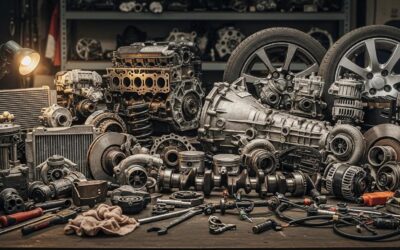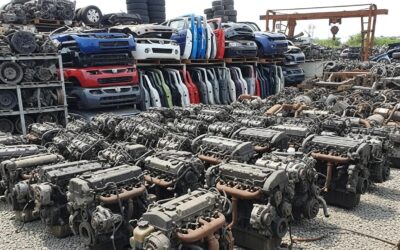
Finding genuine Hyundai parts in Sydney usually means choosing between brand-new OEM components and quality-tested recycled parts that fit, work and save you money. This guide helps Sydney drivers locate authentic Hyundai engines, transmissions, suspension parts, body panels and electrical modules by outlining where to look, how to confirm fitment and what warranties or guarantees to expect. Many buyers want clear answers about compatibility for popular models — i30, Santa Fe, Accent and Tucson — plus practical checks like VIN lookups, part-number matching and condition reports to avoid costly mistakes. Read on for a clear pathway: the benefits of recycled Hyundai parts, step-by-step fitment checks, where to buy both used and genuine parts in Sydney, a rundown of common part types, how to verify authenticity and warranties, and how to sell a Hyundai for parts. We also weave in local supplier examples and services so you can apply these tips across Sydney.
Why Choose Recycled Hyundai Parts in Sydney?
Recycled Hyundai parts are genuine OEM components taken from vehicles, inspected and prepared for reuse — so you get factory fit without the new-part price tag. The main reason buyers opt for recycled parts is simple: cost-effectiveness with OEM compatibility. Because these parts are original Hyundai components they usually fit exactly, which cuts installation time and avoids the adaptation issues aftermarket parts sometimes bring. Choosing recycled parts also keeps usable materials out of landfill and lowers the environmental cost of making new parts. For routine repairs or older models where new OEM stock is scarce, recycled parts are often the best value.
Practical benefits of recycled parts include:
- Lower purchase price while keeping OEM fit and finish.
- Smaller environmental footprint through reuse and landfill diversion.
- Good availability for many common Hyundai models thanks to high stock levels.
- Condition grading and targeted warranties that reflect used-part standards.
Are recycled Hyundai parts reliable and quality tested?

Yes — recycled Hyundai parts are reliable when suppliers follow structured inspection, testing and grading processes. Typical checks start with a visual inspection for cracks, corrosion and wear, then move to part-specific tests: compression or leak checks for engines, electrical diagnostics for ECUs and sensors, and bearing or pressure checks for transmissions. Reconditioning might include cleaning, replacing wearable items (seals, gaskets), bench testing and, where practical, a final fitment check. Note that safety-critical items such as airbags or seatbelt pre-tensioners may need specialist handling or be excluded from resale — always ask your supplier for documented testing steps and results.
These testing steps reduce uncertainty about reused parts and set realistic expectations for warranty coverage, which we cover next.
What are the cost and environmental benefits of recycled parts?
Recycled Hyundai parts usually deliver significant savings versus new OEM components — commonly 40–70% cheaper depending on the part and availability. Environmentally, reuse beats new production: salvaged parts avoid the embedded emissions and resource use of manufacturing replacements and help keep useful components out of landfill. For routine mechanical work, cosmetic panel repairs and many electrical fixes where OEM fit is available, recycled parts are a compelling choice. When choosing between recycled and new parts consider upfront savings alongside expected remaining life, warranty terms and the complexity of installation to find the best long-term value.
Balance immediate cost savings with factors like remaining service life, warranty scope and installation complexity to pick the right option for your situation.
How to Find the Right Hyundai Parts for Your Model in Sydney
Finding the correct Hyundai part is a three-step verification: confirm the vehicle (VIN and model year), match the OEM part number where possible, and visually confirm fitment with photos or diagrams. The VIN is the most reliable baseline because it records the exact build, engine and transmission choices — avoiding mismatches that happen when model names overlap across years. Part-number cross-referencing is the clearest way to confirm fitment. If the part number isn’t available, ask for clear photos, measurements and a supplier condition report to reduce risk. This VIN-first method is common among experienced buyers and professional fitters for a reason.
Use this checklist to verify fitment before you buy:
- Record the VIN and model year and give it to the supplier so they can cross-check compatible parts.
- Look up or compare OEM part numbers on the item or in parts diagrams, confirming exact matches or documented supersessions.
- Request photos and condition notes from the seller that show mounting points and connectors to confirm visual compatibility.
- Ask for mileage, known faults and any test results on mechanical components so you can judge remaining service life.
This stepwise approach prevents common errors and ties directly to how suppliers stock model-specific parts — illustrated in the model inventory table below.
| Model | Common parts available | Years commonly covered |
| Hyundai i30 | Engines, gearboxes, front doors, headlights | 2012–2019 (typical stock coverage) |
| Hyundai Santa Fe | Suspension arms, body panels, alternators | 2010–2018 (typical stock coverage) |
| Hyundai Accent | Engines, manual gearboxes, electrical modules | 2011–2016 (typical stock coverage) |
The table shows typical availability for popular Hyundai models and helps you decide whether to browse inventory or use a request service. Knowing model coverage also points you to suppliers who specialise in these lines and how their services work.
Which Hyundai models do New Model Wreckers specialize in?
New Model Wreckers specialises in late-model Hyundai vehicles and keeps deep stock for popular lines like the i30, Santa Fe, Accent and Tucson, concentrating on engines, suspension, body panels and electrical components. As a family-owned e-commerce and lead-generation business, we list parts from over 300 late-model vehicles, which increases the chance of finding compatible recycled OEM parts. Our scale supports Australia-wide delivery with tracking, so Sydney buyers can order parts that aren’t locally available. For rare or discontinued items, using a specialist wrecker’s request service often speeds sourcing.
If you can’t find the exact part number or listing, the next section explains practical compatibility checks and when to use a request workflow.
How to identify compatible parts for Hyundai i30, Santa Fe, Accent, and Tucson?
Start by confirming the exact model variant and year using the VIN, then compare OEM part numbers or any supplier cross-references. Visual confirmation is vital: ask for photos that clearly show connection points, mounting tabs and serial labels — mismatched connectors are a frequent return reason. For engines and transmissions, ask about mileage and recent repairs; for body panels, verify paint codes and mounting-hole patterns. When unsure, consult a mechanic or request a supplier condition report before committing to purchase to avoid fitment surprises or the need for adaptations.
These checks lower the chance of returns and expensive rework, and they’re why many buyers use a supplier’s request service for hard-to-find parts.
Where to Buy Used and Genuine Hyundai Parts in Sydney

In Sydney you can buy Hyundai parts through three main channels: browse specialist wrecker inventories online, submit a ‘request a part’ form for targeted searches, or arrange local pickup or courier delivery for urgent needs. Good listings show condition grading, part numbers and clear photos to help you compare recycled OEM items with new OEM alternatives. Delivery matters: tracked Australia-wide shipping gives visibility and predictable lead times, which is important if you’ve booked a workshop. Always check whether an item is listed as new OEM, recycled OEM or aftermarket to avoid surprises at checkout.
- Browse online inventory when you have a part number or a clear visual match and want immediate selection.
- Use a ‘request a part’ service for rare or unlisted items that need a targeted search.
- Arrange pickup or tracked delivery to control timing and avoid delays when coordinating repairs.
Below we explain why some suppliers earn buyer trust and how a formal request flow typically works for Sydney customers.
What makes New Model Wreckers a trusted Hyundai wrecker in Sydney?
We build trust by combining a large inventory with clear quality processes and buyer-focused services. We list over 15,000 quality-tested parts from more than 300 late-model vehicles, hold Capricorn Preferred Supplier status and offer Australia-wide tracked delivery to support customers outside Sydney. As a family-owned business focused on e-commerce and lead generation, we follow repeatable testing, grading and dispatch processes and operate a ‘Request A Part’ service with a 24-hour response promise. These practical strengths help Sydney buyers get reliable recycled OEM parts and a clear chain of custody for purchases.
Those trust signals — inventory scale, testing claims and tracked delivery — translate into everyday confidence when choosing recycled parts.
How does New Model Wreckers’ ‘Request A Part’ service work?
The ‘Request A Part‘ service is a brokered search: you submit a VIN, part number or photos and we reply with availability, price and condition. Typical steps are: send detailed vehicle and part info, receive confirmation and an estimated quote (we aim to respond within 24 hours), then choose delivery or pickup with tracking. The service includes condition notes and warranty details up front so you can decide without committing to unknown stock.
This workflow saves time compared with trawling multiple inventory pages and helps you source the right part faster.
What Types of Hyundai Parts Are Available in Sydney
Sydney wreckers and parts suppliers stock a wide range of Hyundai components across mechanical, electrical and body categories, with conditions from fully refurbished to used-as-is. Common items include engines and long-blocks, transmissions and gearboxes, suspension struts and control arms, body panels and doors, plus electrical modules like ECUs and alternators. Condition grading and testing set expectations: engines may be compression-tested, transmissions bench-checked and ECUs bench-tested where possible, while body panels are graded by cosmetic condition. Always request a condition report and check warranty or return terms for the category you’re buying.
The table below gives a quick comparison of typical mechanical part types, their expected condition and compatibility notes.
| Part Type / Example | Condition & Testing | Typical Compatibility / Warranty |
| Used engine (complete) | Visual inspection, compression/pressure checks | Compatible with matching engine codes; limited months warranty |
| Transmission / gearbox | Bench-tested for leaks and input/output play | Fitment by model/year; condition disclosed with mileage notes |
| Suspension strut / control arm | Visual & functional checks; bushings assessed | Widely interchangeable within same platform; cosmetic wear noted |
This table sets realistic expectations for performance after installation. Next we break down mechanical versus body/electrical availability in more detail.
Which engine, transmission, and suspension parts are offered?
Common mechanical parts for Hyundai models include complete engines (long-blocks), alternators, starters, manual and automatic gearboxes, suspension struts, control arms and subframes. Listings usually note mileage, leaks and any prior refurbishments such as gasket or bearing replacements. Major components often receive targeted tests — compression or leak-down checks for engines, bench runs for transmissions and joint inspections for suspension — so you can compare functional condition across options. For higher-risk mechanical buys, insist on explicit test records and a warranty window to protect against premature failures.
Documented testing and clear records reduce buyer risk and help plan refurbishments or installation timing.
Are body panels and electrical components available for Hyundai models?
Body panels, doors, bumpers, headlights and other cosmetic parts are commonly stocked and graded for paint condition, dents and mount integrity. Electrical components such as ECUs, alternators, sensors and wiring harnesses are available with varying levels of bench testing. Body panels are often sold in cosmetic grades — A (like new), B (minor defects) or C (repairable) — so ask for close-up photos of weld points and mounting tabs. Electrical modules usually get visual inspections and, where possible, bench diagnostics; however, you should verify programming and immobiliser compatibility for ECUs and other key modules. Request condition reports and compatibility checks to reduce installation headaches.
Clear documentation and photos speed decision-making and lower return friction when matching electrical or body items to your vehicle.
How to Ensure Authenticity and Warranty When Buying Hyundai Parts in Sydney
Start authenticity checks with part-number verification, supplier documentation and visible OEM markings — always ask for serial labels or stamped part numbers where applicable. Cross-reference numbers against manufacturer diagrams or trusted parts databases and insist on photos of the exact item being sold rather than generic images. Ask direct questions about warranties and returns: length of cover, what’s included (mechanical failure vs cosmetic) and the claims process. Those steps help protect you from counterfeit aftermarket pieces or mislabelled items that lead to poor fit or early failure.
For a quick comparison, the table below summarises differences between new OEM, recycled OEM and aftermarket parts so you can weigh trade-offs.
| Part Category | Price Range | Fitment Accuracy | Typical Warranty | Environmental Impact |
| New OEM | High | Exact fit | Manufacturer warranty | Higher (new production) |
| Recycled OEM | Moderate to low | Exact fit (used) | Supplier-limited warranty | Lower (reuses materials) |
| Aftermarket | Low to moderate | Varies by maker | Manufacturer or seller warranty (varies) | Variable (new production) |
This comparison helps you weigh cost, fit and environmental impact before choosing a source, and leads into practical steps for verifying warranties and authenticity with suppliers.
What warranties and guarantees come with recycled Hyundai parts?
Warranties for recycled Hyundai parts vary by supplier but commonly include short-term guarantees that cover functional defects found after installation — often around 3 to 6 months as a general example. Suppliers may offer return windows and warranty claim processes that require proof of correct installation and documentation of the fault; exclusions commonly apply to wear-and-tear items or misuse. Always request written warranty terms before you buy and ask whether the warranty is transferable if you later sell the vehicle. Keep warranty documents and installation records to make any claim process smoother.
Clear warranty terms reduce post-purchase disputes and help you pick parts with an acceptable risk profile for your repair.
How to distinguish genuine OEM parts from aftermarket or junk parts?
Spotting genuine OEM parts relies on part-number matching, visible manufacturer branding, consistent casting or moulding marks and close-up photos showing connectors and mounting features. Watch for red flags: vague descriptions, stock photos that don’t show serial plates, prices that look too good without condition notes, and sellers who won’t provide VIN cross-checks or testing documentation. Ask for multiple close-up photos and, where practical, an independent mechanic’s opinion for electrical modules or major mechanical components. When sellers provide clear documentation, matching part numbers and tested condition reports, you can buy with greater confidence.
These checks make it harder for low-quality or misrepresented parts to pass as genuine and protect you from costly installation errors.
Where to Sell Your Hyundai for Parts in Sydney
Selling a Hyundai for parts works best when you prepare: record the VIN, list the vehicle’s condition, supply recent photos of key components and be upfront about mechanical faults. Wreckers value vehicles based on salvageable parts, estimated resale value and dismantling effort — accurate details speed up valuation and cut down back-and-forth. Typical logistics include arranging pickup or drop-off, completing transfer paperwork and complying with environmental disposal rules for fluids and hazardous items. Compare multiple offers and clarify payment timing and pickup logistics to choose the best option.
The next section explains how a specialist buyer assesses valuation and purchase as an example for sellers considering professional wreckers.
How does New Model Wreckers buy used Hyundai vehicles?
We appraise used Hyundais by asking for the VIN, current condition photos and a summary of mechanical issues, then estimate value based on salvageable parts and current inventory demand. Our process usually starts with an initial appraisal from the supplied info, a confirmed offer that reflects salvageability, and logistics for pickup or seller drop-off with clear payment terms. We emphasise quality testing of salvaged parts and list inventory across many late-model vehicles, which supports competitive valuations for in-demand models and components.
Sellers should compare offers and make sure environmental and ownership transfer steps are clear before accepting.
What is the process for selling your Hyundai for recycling or parts?
A practical sale process includes preparing clear photos of the vehicle, recording the VIN and key faults, getting multiple quotes, and arranging pickup or drop-off with documented transfer of ownership or deregistration where required. Disclose salvageable systems (engine condition, transmission state, airbags present) so buyers can give accurate quotes, and confirm how hazardous fluids will be drained and disposed of to meet environmental rules.
Once you accept an offer, coordinate logistics and get written confirmation of payment terms and the removal schedule. Handling these steps carefully avoids disputes and ensures legal compliance during the recycling or parts sale.
Providing complete information up front increases the likelihood of a smooth sale and accurate valuation from professional wreckers and recyclers.
Frequently Asked Questions
What are the advantages of buying from local suppliers in Sydney?
Buying locally in Sydney gives you faster delivery and the option to inspect parts in person. Local suppliers often understand the needs of Sydney drivers and can offer practical, tailored advice. Supporting local businesses also tends to deliver better customer service and easier returns or exchanges if something goes wrong — a real advantage when timing a repair.
How can I verify the condition of recycled Hyundai parts before purchasing?
Ask for a detailed condition report that lists any testing performed, and request high-resolution photos from multiple angles highlighting wear or damage. Ask about the part’s history — mileage, previous use and any repairs. If you’re unsure, have a mechanic review the photos or the part in person. These checks help you make a confident decision.
Are there specific certifications or standards for recycled parts in Australia?
There aren’t universal certifications for recycled automotive parts in Australia, but reputable suppliers follow industry best practices for inspection and testing. Look for suppliers who are members of recognised industry associations and ask about their quality assurance processes to ensure you’re buying reliable parts.
What should I do if I receive a part that does not match the description?
Contact the supplier straight away and document the issue with photos. Most reputable suppliers have a return policy for mismatched items — check the return terms and any time limits before you buy. Clear, prompt communication usually leads to a replacement or refund.
Can I negotiate prices when buying recycled Hyundai parts?
Yes — negotiation is often possible, especially when buying multiple items or parts that have been in stock for a while. Suppliers may match a competitive offer, and building a good relationship can lead to better deals over time. Approach negotiations respectfully and be ready to show competing quotes.
What are the environmental benefits of choosing recycled parts?
Recycled parts reduce waste and conserve resources by keeping usable components in service. They cut the carbon and material costs associated with manufacturing new parts and help divert materials from landfill. Choosing recycled Hyundai parts is an effective way to lower your repair’s environmental impact.
Conclusion
Choosing genuine Hyundai parts in Sydney — whether recycled or new OEM — gives you quality, cost savings and a smaller environmental footprint. Use the verification steps here to confirm fitment, check warranties and pick the right buying channel. Make informed choices and you’ll keep your Hyundai running well while supporting more sustainable repair options. Browse trusted suppliers today to find the right part for your vehicle.